
journal | miscellany | press | podcast | team
Commentary on
“You Must Not Return to Your Childhood Room”
Jennifer Bannan
I was at a restaurant with my husband and I started spilling the story about a boy I’d known in performing arts high school. His story was so tumultuous and I’d been there for a big part of it. I was someone who this boy could take his frustrations out on. And even though he was abusive, I forgave him for it because I knew I was abusing others too, in my own capacity, or liable to abuse them. And I empathized with him, up against a world that refused to accept him, all of this during the time of AIDS, before gay marriage was legal, and in a super machismo part of the country. I was inspired by him for running away from home and living on his own with his boyfriend, and even when tragedy struck, I hoped that he (and by extension, we) could somehow continue in an inspired, larger-than-life way. I was refusing to accept that we had to grow up even as it became more real. Watching my husband listen, I realized I needed to write it down, that it was a story about the violence of youth, and the way people hurt each other even as they need each other.
This combined with my realization that other people’s bedrooms have always fascinated me. Particularly strange to me are bedrooms that are sparse – very little on the walls, very little mess. I feel like I came across a lot of those bedrooms in Miami, and I still don’t know the reason for it: it seemed like something I saw in both underprivileged and privileged homes – were they not willing to get comfortable, or forbidden to decorate, or just neat freaks? I couldn’t imagine lying on my bed and looking at those blank walls and allowing them to stay that way.
So, a lot of what’s in the story (“You Must Not Return to Your Childhood Room”) is based on real life, but I took many liberties for narrative cohesion. I must have drafted ten versions of the story and the hardest part was always that the main character was on the outside looking in. The main character was an actress, as I had been. So being on the mainstage was natural to her. There was a way that being an audience member would be interesting. And that fed into the tone of “I want it all,” of that time in life, of that city, of these particular characters who liked to live big. All ways of being had to be explored. So, although I considered writing from George’s point of view, I stayed with the observer as main character and focused on honing into place and mood. Also, I read an essay about this kind of protagonist, by a friend who also recently had a book come out, Tyler McAndrew, and that committed me. He talks a bit about this phenomenon in this interview in the Pittsburgh Review of Books.
I think I’m most proud of the foreboding I planted in there: the bony arms of the antique typewriter, the skeletal quality of the dolly in the station wagon, the ironing board jerking on the yanked open door, like a “dead thing.”
I found Twelve Winters while looking for places that accept longer works, which is rare to find. I liked the stories the journal had published. I’d done enough to pare this story down and I knew leaving it long was imperative. It had to have that swooping, over-the-top feel, and to me that meant it had to have some length, had to span some time.
▪ ▪ ▪
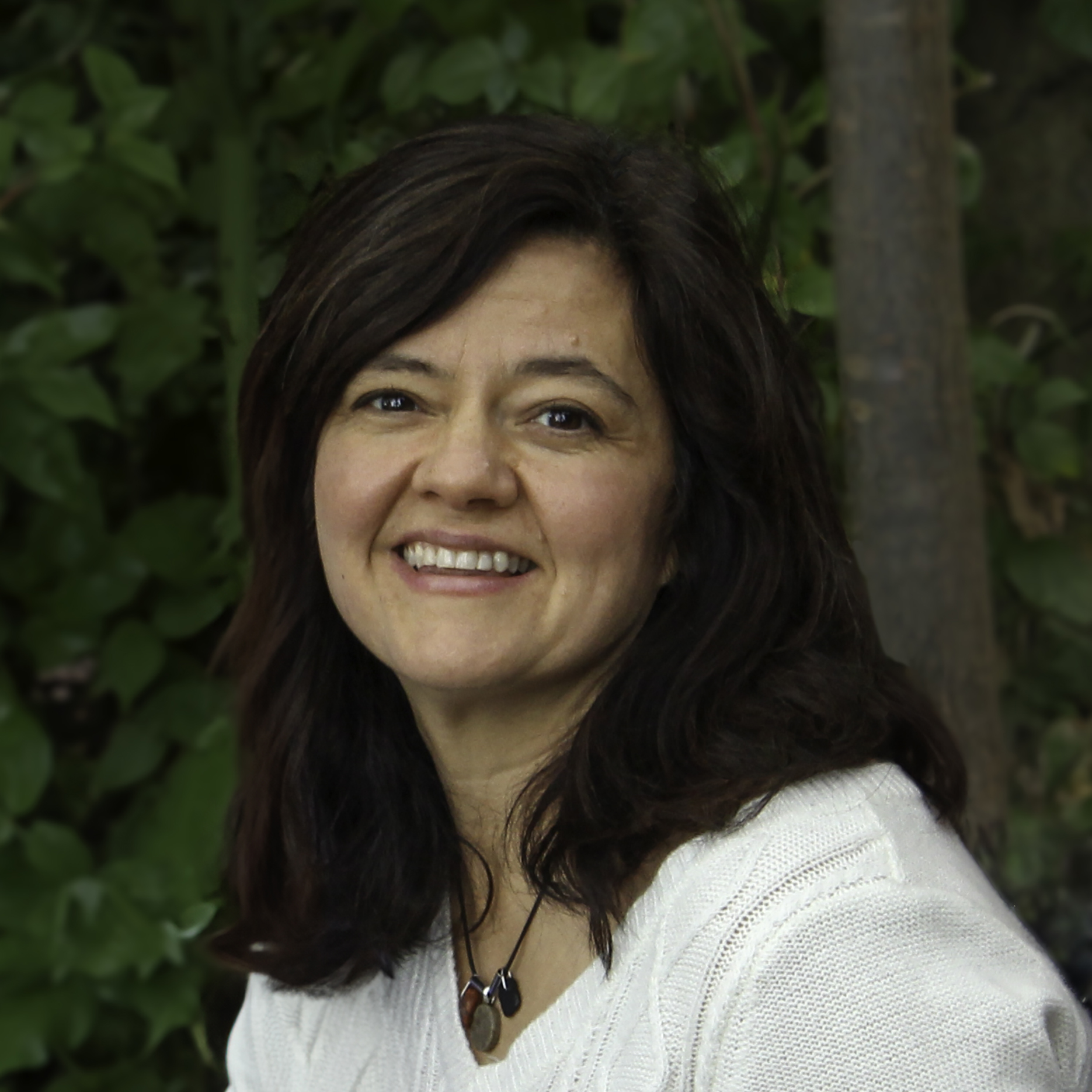
Jennifer Bannan’s latest short story collection, Tamiami Trail: Miami Stories, released in the fall of 2025 from Carnegie Mellon University Press, was included in “The Best Southern Books of October 2025” at the Southern Review of Books, has received excellent reviews in The Library Journal and Foreward Reviews, and was named a finalist in the Eyelands International Awards. More about the author is available at jenniferbannan.com.
journal | team | miscellany | podcast | home
 Twelve Winters